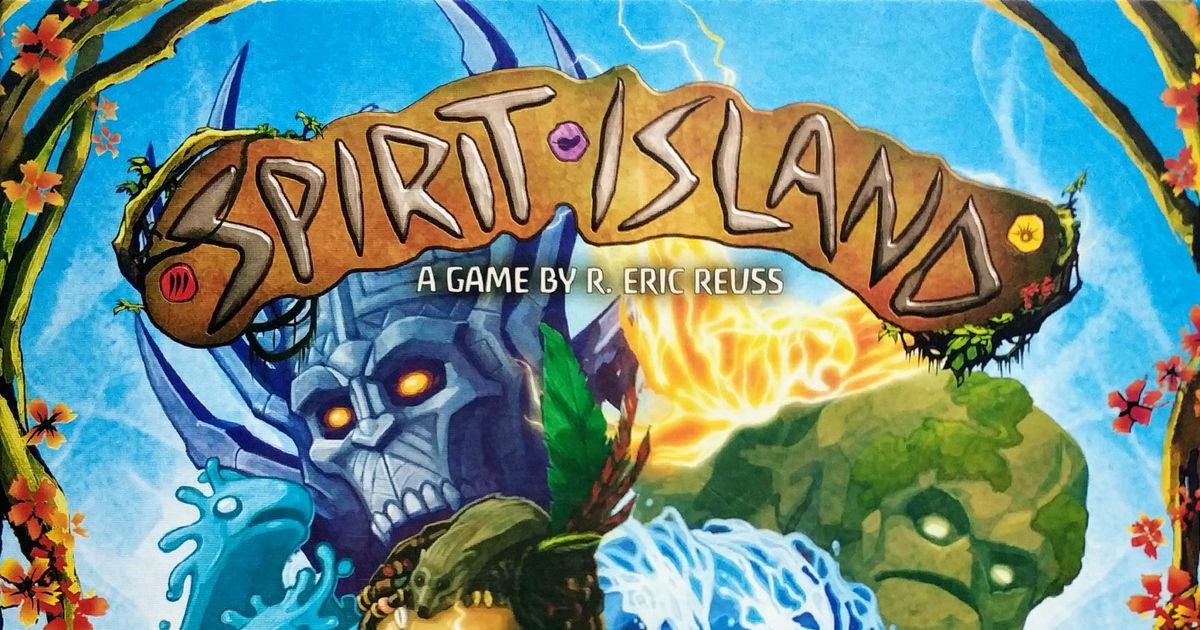
I bounced off this hard the first time. Two spirits, full power progression, all at once, on a rules explanation that I gave myself maybe twenty minutes for, and it was too much information landing too fast for anyone at the table to actually enjoy the first scenario. The fix, which I’d tell anyone starting out, is to ignore your instinct to dive into the full complexity immediately: start with one spirit each, skip the power progression cards for your first couple of games, and let the core “defend the island from colonizers” loop click before adding the layers back in. Once I did that, it went from a game I almost gave up on to one I’ve played more than almost anything else on my shelf.
The rulebook itself is dense but genuinely well organized once you know to read it in the right order, examples where you need them, a real index, which matters enormously for a game with this much surface complexity. Every spirit plays meaningfully differently, not cosmetically differently, and the amount of viable strategy space per spirit means teaching someone a new one basically means re-teaching part of the game each time, which I count as a feature. It’s nearly alpha-gamer-proof too, there’s enough going on for each player that nobody can quietly run the whole table’s turns for them, which is rarer in co-ops than it should be.
Setup takes real time, sorting the invader deck, the fear cards, and whichever spirits are in play, and it is not a fifteen-minute-notice game, budget for that honestly before a weeknight session. But my most trustworthy metric for a coop, whether someone immediately says “again” after a loss, has held up more times with this game than any other in my collection.
Five stars, once you’re patient enough to learn it right.