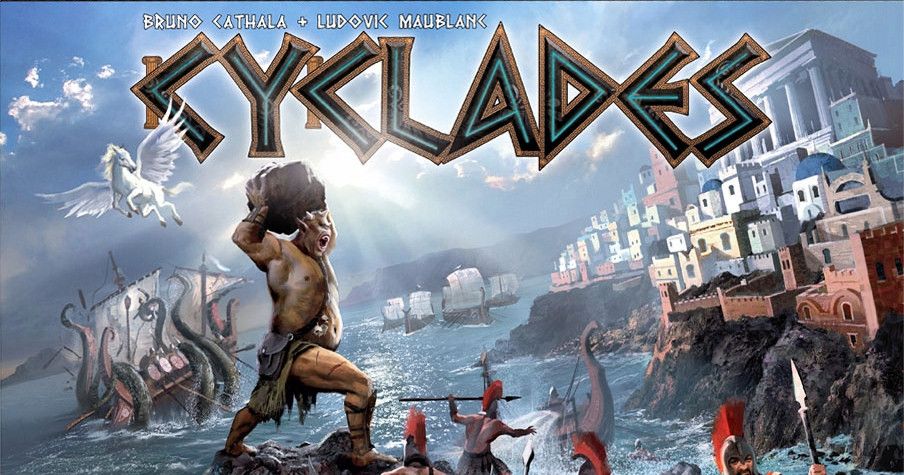
The component quality gets talked about constantly and it deserves it, the ship and creature miniatures have real presence on the table, and the auction mechanic for buying favor with the gods is genuinely clever, hidden bids adding tension to a game that’s already fairly confrontational. Teaching it went smoothly at my table, the icon-heavy board looks intimidating on first unboxing and then explains itself within a round or two once people see what each god’s ability actually does.
Where it falls apart for me is the endgame, and this isn’t just my table, it’s a pattern I’ve seen described the same way by enough other players that I don’t think it’s a fluke: whoever’s visibly ahead gets ganged up on by the rest of the table almost mechanically, to the point where the player sitting in second place has a real structural advantage just from not being the target. That’s not tension, that’s a design gap, and it means the last stretch of a game can feel less like strategy and more like whoever the table decided to gang up on losing by default. Combat resolving on a single die roll doesn’t help, a good plan can get undone by one bad roll at exactly the wrong moment, and in a game this confrontational that stings more than it would in something lower-stakes.
It plays best at four, gets muddy at two, and needs the right group, people who don’t mind a little pile-on dynamic and won’t take a lost game personally. Setup is moderate, sorting minis and god cards takes a few minutes longer than I’d like for a weeknight, but nothing egregious.
Three stars. Beautiful object, clever bidding layer, but the core area-control loop has a real balance issue at its center that no amount of production value fixes.